 農業部茶及飲料作物改良場
次世代速萃茶飲加工技術
首頁 > 加工技術 > 次世代速萃茶飲加工技術 > The processing technology of Next-generation quick extraction tea and beverage raw materials
The processing technology of Next-generation quick extraction tea and beverage raw materials
1.Introduction:
Non-alcoholic beverages are mainly tea and coffee. In the modern beverage industry, the word "tea" is not only the finished product made from the leaves of the tea tree, any product made from plant raw materials through specific processing and brewing can be collectively referred to as tea or beverage. With the changing consumption patterns of tea drinking, and the emphasis on immediacy, convenience, and diversity, traditional hot brewing methods are gradually failing to meet the needs of younger consumers. Instead, commercial tea beverage models such as canned tea or hand-shaken tea are booming. Tea and Beverage Research Station of the MOA was restructured in 2023, its business scope expanded from tea to other beverage crops. Therefore, the research team of the station carried out innovative process improvements on tea and beverage crop raw materials, and developed a healthy, high-quality, labor-saving, low-carbon and low-cost "next-generation quick-extraction tea beverage raw material".
2.Why develop the new types of quick extraction in tea and beverage raw materials?
(1)Currently, over 90% of commercial tea beverage ingredients are sourced from overseas, competing with domestically produced ingredients. To address this massive tea beverage market, this event introduces innovative processing technologies to the raw material processing stage, aiming to challenge imported tea beverage ingredients in terms of both quality and cost. Ultimately, this will lead domestic tea beverage companies into the international market.
(2)Traditional tea processing involves withering, stirring, panning, rolling, mass rollingafter re-heat in panning machine, drying, and baking or roasting. Some beverage crops require long-term post-fermentation or aging, making the process overly complicated and cost Increased.
(3)Traditional raw material crushing processes can easily result in a loss of 10-15%, which in turn increases costs.
(4)Traditional tea ingredients require long times for brewing and extraction, which can easily lead to the excessive release of undesirable components, affecting the taste and color of the tea. Additives such as sugar are needed to balance this, and excessive sugar intake can burden the body.
3.What are the core technological concepts behind the new quick-brew tea and beverage raw materials?
(1)By employing the key technologies of "wet cutting" and "cell wall breaking" to process raw materials, the value of tea beverage ingredients is enhanced.
(2)This achieves the effect of removing bad flavors from raw materials and standardizing and homogenizing the quality of tea ingredients.
4.What are the advantages of the new types quick extraction in tea and beverage raw materials?
(1)It increases the extraction rate of functional components in tea soup and shortens the extraction time, allowing extraction to be completed within 1 ~ 2 minutes.
(2)The extracted tea soup has a bright and clear color and a sweet taste.
(3)It can be widely used in domestically produced crops such as tea, herbaceous crops, flowers, fruits, and grains.
(4)Reduce production costs and raw material loss rate, and increase the utilization rate of domestically produced raw materials.
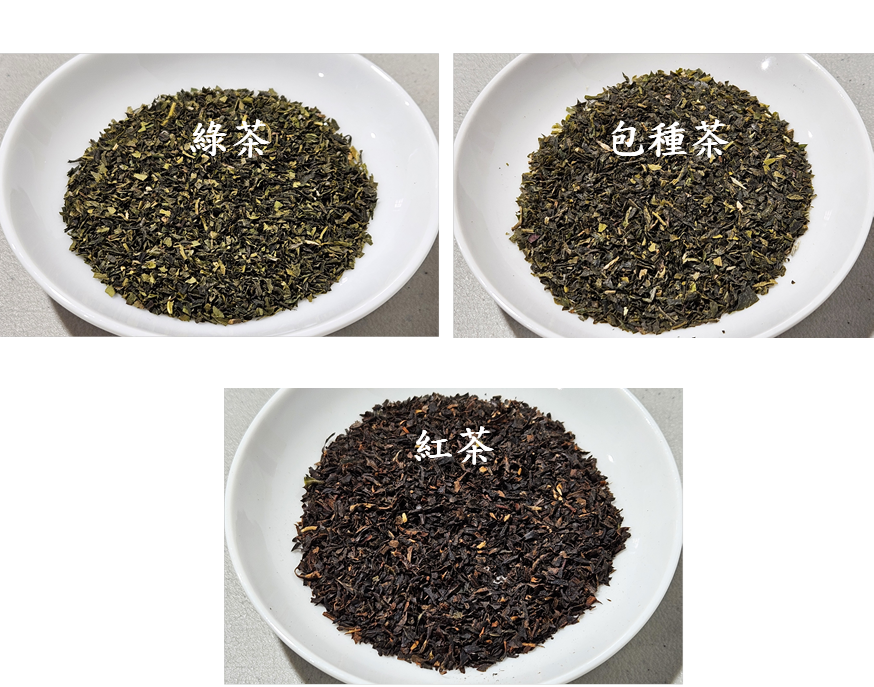
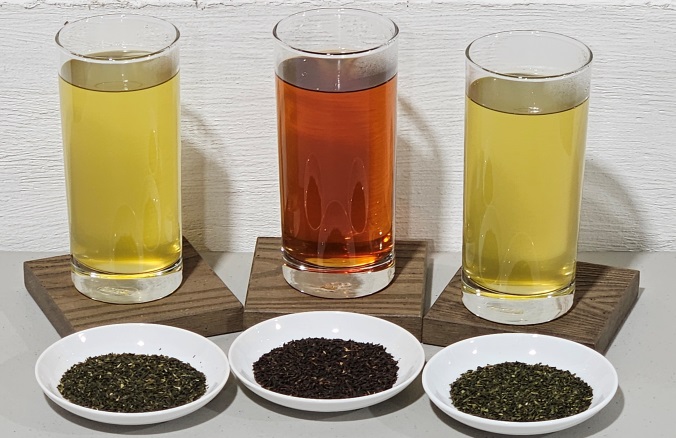
Fig. 1 The quickly extract tea leaves sample and tea liquid
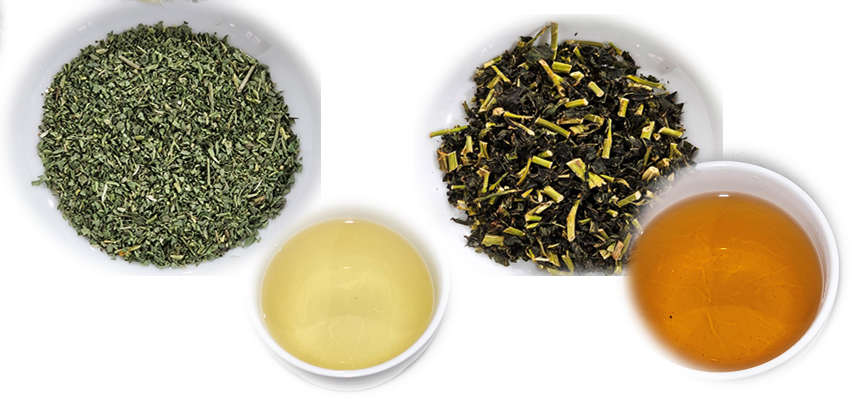
Fig. 2 The quickly extract Lemmon Marigold (left), Mint (right) leaves sample and tea liquid
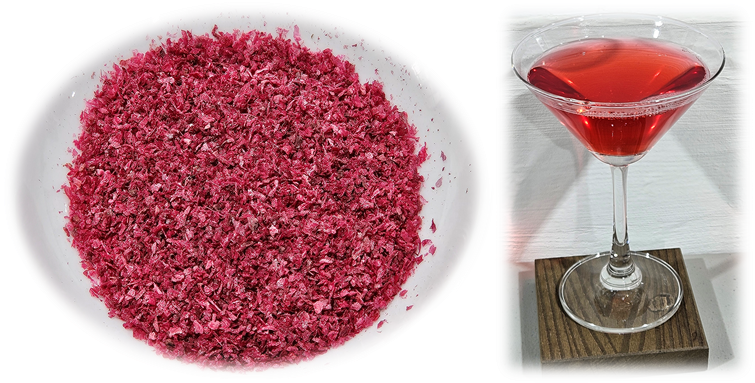
Fig. 3 The quickly extract Roselle sample and tea liquid
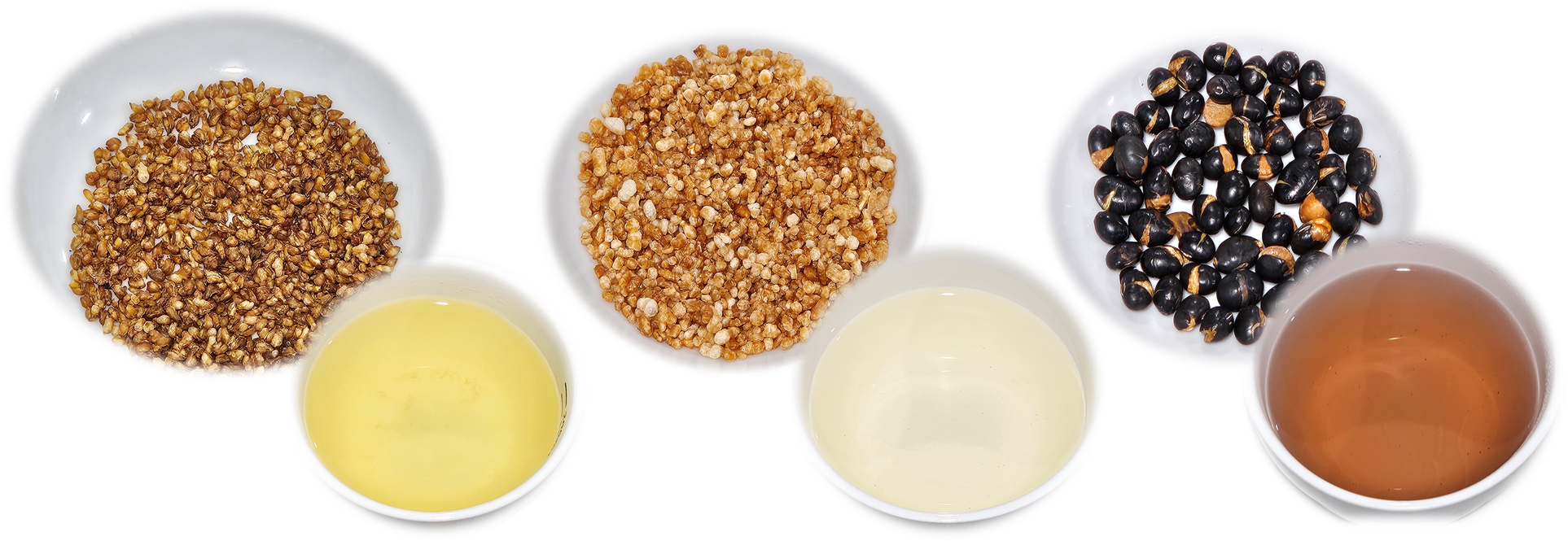
Fig. 4 The quickly extract Buckwheat (left), Brown rice (middle), black bean (right) sample and tea liquid